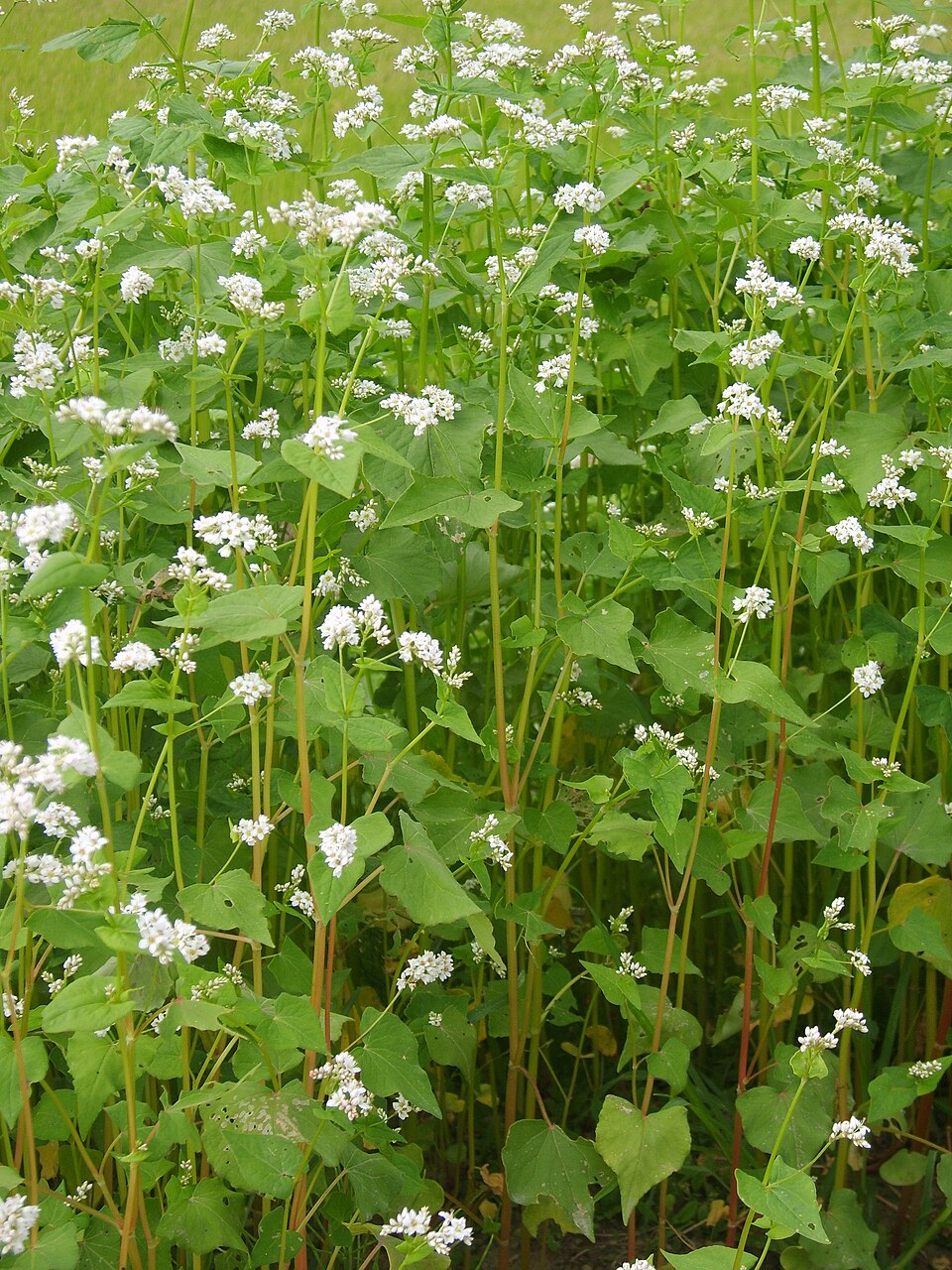
Buchweizen: Your Whole Grain Option for a Balanced Diet
In the quest for healthier eating and a more balanced lifestyle, many are turning their attention to ancient grains and nutrient-dense foods. Among these, *Buchweizen* – known in English as buckwheat – stands out as a versatile and exceptionally healthy option. Often mistakenly thought of as a grain, this pseudo-cereal offers a remarkable nutritional profile that makes it a cornerstone for anyone considering a mindful **Buchweizen Diät** (buckwheat diet or eating plan). Far from being a restrictive fad, incorporating buckwheat into your daily meals can be a sustainable and delicious way to boost your health and well-being.
What is Buchweizen and Why is it Special?
Despite its name, buckwheat is not related to wheat and is botanically classified as a fruit seed, related to rhubarb and sorrel. This distinction is crucial, as it means buckwheat is naturally
gluten-free, making it an excellent alternative for individuals with celiac disease or gluten sensitivities. Originating from Asia, *Buchweizen* has been cultivated for thousands of years and is cherished for its hearty, earthy flavor and impressive resilience as a crop.
In culinary terms, *Buchweizen* is primarily consumed in various forms:
- Groats: These are the hulled kernels, which can be roasted (known as *kasha*) or unroasted. They are often cooked like rice or quinoa and served as a side dish, added to soups, or used in porridges.
- Flour: Buckwheat flour has a distinctive, slightly nutty taste and is widely used in pancakes, noodles (such as Japanese soba noodles), blini, and gluten-free baking.
- Grits: A coarser grind of the groats, often used for hot cereals.
Its unique composition and the ease with which it can be integrated into diverse cuisines make *Buchweizen* a valuable asset in any balanced eating strategy, forming the basis of a beneficial **Buchweizen Diät**.
The Nutritional Powerhouse: Benefits of Buchweizen for Your Health
The true appeal of *Buchweizen* lies in its exceptional nutritional content. It’s not just a filler; it’s a functional food packed with compounds that support numerous bodily functions. When you adopt a **Buchweizen Diät**, you're investing in a host of health advantages:
- High-Quality Protein: *Buchweizen* is considered a complete protein, meaning it contains all nine essential amino acids that the body cannot produce on its own. This makes it an invaluable food for vegetarians, vegans, and anyone looking to increase their protein intake, supporting muscle repair, growth, and overall cellular health.
- Abundant Fiber: Both soluble and insoluble fiber are found in *Buchweizen*. Fiber is essential for digestive health, promoting regular bowel movements and preventing constipation. It also contributes to satiety, helping you feel full for longer, which can be beneficial for weight management. Furthermore, soluble fiber helps regulate blood sugar levels and can contribute to lower cholesterol.
- Rich in Minerals: This pseudo-cereal is a good source of several vital minerals, including:
- Magnesium: Crucial for muscle and nerve function, blood glucose control, and blood pressure regulation.
- Manganese: Involved in bone formation, metabolism, and antioxidant defense systems.
- Phosphorus: Essential for healthy bones and teeth, and plays a role in energy production.
- Copper: Important for red blood cell formation, iron absorption, and immune function.
- Iron: Vital for oxygen transport in the blood and preventing anemia.
- Potent Antioxidants: *Buchweizen* boasts a higher antioxidant content than many other cereals. Key antioxidants include rutin and quercetin.
- Rutin: A powerful flavonoid known for its cardiovascular benefits, strengthening blood vessels, and having anti-inflammatory properties.
- Quercetin: Another flavonoid with anti-inflammatory and antioxidant effects, potentially supporting immune health.
- Low Glycemic Index: *Buchweizen* has a relatively low glycemic index (GI), meaning it causes a slower, more gradual rise in blood sugar compared to high-GI foods. This makes it particularly beneficial for individuals managing diabetes and for anyone seeking to maintain stable energy levels and avoid sudden sugar crashes.
Supporting a Healthy Buchweizen Diät: Key Advantages
Integrating *Buchweizen* into your diet goes beyond just adding nutrients; it actively supports a balanced and healthy lifestyle through several mechanisms:
Weight Management
The combination of high fiber and protein in *Buchweizen* promotes satiety, helping to curb overeating and reduce overall calorie intake. By feeling fuller for longer, you’re less likely to snack on less healthy options, making it a valuable ally in your weight management efforts as part of a sustainable **Buchweizen Diät**.
Blood Sugar Control
For those concerned with blood sugar, the low glycemic index of *Buchweizen* is a significant advantage. It helps prevent rapid spikes and crashes in blood glucose, which is crucial for managing type 2 diabetes and preventing insulin resistance. The slow release of carbohydrates provides sustained energy, preventing fatigue and cravings.
Heart Health
The unique blend of nutrients in *Buchweizen* contributes significantly to cardiovascular wellness. Its high fiber content can help lower LDL ("bad") cholesterol, while the flavonoid rutin is known to improve circulation and strengthen capillaries. Magnesium also plays a role in maintaining healthy blood pressure, all factors that contribute to a healthier heart.
Gluten-Free Living
As a naturally gluten-free option, *Buchweizen* provides a fantastic alternative to traditional grains like wheat, barley, and rye. It allows individuals with celiac disease or gluten sensitivity to enjoy a wide variety of meals without compromising their dietary needs or health, expanding their culinary options immensely.
Digestive Wellness
The dual benefits of soluble and insoluble fiber keep your digestive system running smoothly. Insoluble fiber adds bulk to stool, aiding in regular bowel movements, while soluble fiber acts as a prebiotic, feeding beneficial gut bacteria and supporting a healthy microbiome.
Integrating Buchweizen into Your Daily Buchweizen Diät: Practical Tips & Recipes
Incorporating *Buchweizen* into your daily meals is surprisingly easy and enjoyable. Here are some practical tips and recipe ideas to get you started on your **Buchweizen Diät**:
Cooking Buchweizen Groats
Cooking *Buchweizen* groats is similar to cooking rice or quinoa.
- Rinse 1 cup of groats under cold water.
- Combine with 2 cups of water or broth in a saucepan.
- Bring to a boil, then reduce heat, cover, and simmer for 15-20 minutes, or until the liquid is absorbed and the groats are tender.
- Fluff with a fork and serve. For *kasha* (roasted buckwheat), follow the same steps but toast the dry groats in a pan for a few minutes before adding liquid.
Breakfast Ideas
- Buchweizen Porridge: Cook groats with milk (dairy or plant-based) and top with fresh fruit, nuts, seeds, and a drizzle of honey or maple syrup for a warm, comforting start to your day.
- Granola Booster: Add raw or lightly toasted *Buchweizen* groats to your homemade granola for extra crunch and nutrients.
Lunch and Dinner Applications
- Grain Bowls: Use cooked *Buchweizen* as the base for vibrant grain bowls, topped with roasted vegetables, lean protein, and a flavorful dressing.
- Salad Enhancer: Add cooled *Buchweizen* groats to green salads or create a hearty *Buchweizen* salad with cucumbers, tomatoes, herbs, and a lemon-tahini dressing, similar to tabbouleh.
- Side Dish: Serve *Buchweizen* groats as a wholesome alternative to rice or pasta alongside stir-fries, stews, or grilled meats/fish.
- Soba Noodles: Explore Japanese soba noodles (made from *Buchweizen* flour) in cold noodle salads, stir-fries, or hot broths.
- Soups and Stews: Throw a handful of groats into your favorite soups or stews during the last 20 minutes of cooking for added texture and nutrition.
Baking and Snacks
- Gluten-Free Baking: Use *Buchweizen* flour to make pancakes, waffles, muffins, bread, or even gluten-free pizza crusts. Its distinct flavor pairs well with stronger ingredients.
- Energy Bars: Incorporate roasted *Buchweizen* groats into homemade energy bars or granola bars for a nutrient-dense snack.
For a deeper dive into its classification and how it fits into various eating plans, you might explore
Buchweizen in Diet: Exploring Whole Grain Classifications. Understanding its dietary role and whole-grain status is crucial for maximizing its benefits, as discussed in
Dietary Role of Buchweizen: Understanding Whole Grain Status. Remember, while *Buchweizen* is incredibly healthy, portion control is still important as part of a balanced overall diet.
Conclusion
*Buchweizen* is far more than just another ingredient; it's a nutritional powerhouse waiting to be discovered or rediscovered. Its remarkable profile of complete protein, high fiber, essential minerals, and potent antioxidants makes it an invaluable addition to any balanced eating plan. Whether you're seeking gluten-free alternatives, looking to manage blood sugar, support heart health, or simply enrich your diet with wholesome ingredients, the **Buchweizen Diät** offers a delicious, versatile, and sustainable path to improved well-being. Embrace the humble *Buchweizen* and unlock a world of flavor and health benefits that will nourish your body and delight your palate.