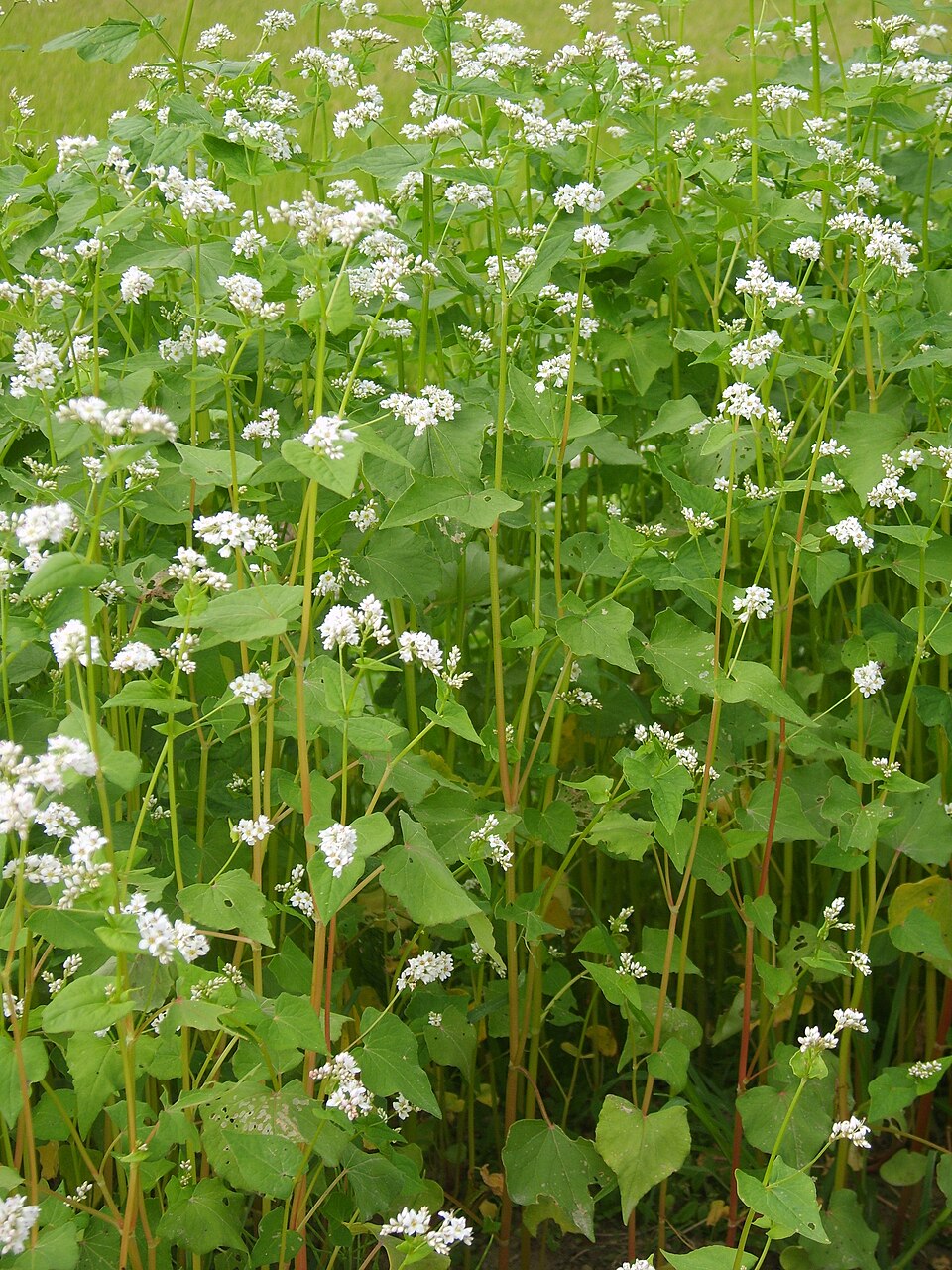
Understanding Buchweizen: A Pseudocereal with Whole Grain Power
In the vast world of nutritional staples, Buchweizen, known in English as buckwheat, often sparks curiosity due to its unique classification and impressive health profile. Despite its name, buckwheat is not botanically a wheat, nor is it a true cereal grain. Instead, it’s a pseudocereal, a category of plants that produce fruits or seeds used in the same way as cereal grains. Think of quinoa and amaranth; buckwheat belongs to this nutritious family.
Originally cultivated in Asia thousands of years ago, Buchweizen has journeyed across continents, becoming a dietary cornerstone in various cultures, from the hearty kasha of Eastern Europe to the soba noodles of Japan. What makes it particularly fascinating and relevant for those exploring a healthy Buchweizen Diät (buckwheat diet) is its rich nutritional composition and its significant role in modern dietary guidelines, often being lauded as a whole grain alternative.
What Makes Buchweizen So Nutritious?
Buchweizen stands out for its well-rounded nutritional profile. Unlike many true grains, it's a complete protein, meaning it contains all nine essential amino acids necessary for human health. This makes it an excellent plant-based protein source, especially valuable for vegetarians, vegans, and those seeking to reduce their meat intake.
- High in Fiber: Both soluble and insoluble fiber are abundant in Buchweizen, supporting digestive health, promoting satiety, and helping to regulate blood sugar levels.
- Rich in Minerals: It’s a good source of manganese, magnesium, copper, iron, and phosphorus, all vital for various bodily functions, from bone health to energy production.
- Antioxidant Powerhouse: Buchweizen contains a wealth of beneficial plant compounds, including rutin, quercetin, and D-chiro-inositol. These antioxidants help combat oxidative stress and inflammation, contributing to overall well-being.
- Gluten-Free: Naturally devoid of gluten, Buchweizen is a safe and nutritious option for individuals with celiac disease or gluten sensitivity, allowing them to enjoy grain-like foods without adverse reactions.
Why the "Whole Grain" Classification?
Even though Buchweizen is a pseudocereal, it is almost universally classified and promoted as a whole grain in dietary recommendations and by nutritional bodies. This is because, structurally and nutritionally, its intact seeds possess all three essential parts: the bran (fiber-rich outer layer), germ (nutrient-packed embryo), and endosperm (starchy middle layer), much like true whole grains such as wheat, oats, or brown rice. When consumed in its unrefined form (e.g., groats or whole flour), it delivers the comprehensive health benefits associated with whole grains.
The Health Benefits of a Buchweizen-Rich Diet
Incorporating Buchweizen into your daily meals offers a cascade of health advantages that extend beyond basic nutrition. For anyone considering a Buchweizen Diät not as a restrictive plan, but as an approach to enrich their daily intake, these benefits are particularly compelling.
Digestive Health and Blood Sugar Regulation
The high fiber content of Buchweizen is a major boon for digestive health. It promotes regular bowel movements, prevents constipation, and supports a healthy gut microbiome by acting as a prebiotic. This also plays a crucial role in blood sugar management. The complex carbohydrates and fiber in Buchweizen contribute to a lower glycemic index, meaning it causes a slower, more sustained rise in blood sugar compared to refined grains. This is particularly beneficial for individuals managing diabetes or seeking to prevent blood sugar spikes and crashes.
Heart Health and Cholesterol Management
Studies suggest that including Buchweizen in the diet can have a positive impact on cardiovascular health. The rutin, a flavonoid found abundantly in Buchweizen, is known to strengthen blood vessels and improve circulation. Its fiber content can help lower LDL (bad) cholesterol levels, while its magnesium content aids in blood pressure regulation. These combined effects contribute to a reduced risk of heart disease.
Buchweizen and Inflammation Management: A Gout Connection?
While the reference context briefly mentions "Gicht" (gout) in relation to whole grains, it's important to understand the broader connection. Gout is an inflammatory condition, and a diet rich in whole grains, fruits, vegetables, and lean proteins is generally recommended for its management. Buchweizen, with its anti-inflammatory antioxidants like quercetin and its role as a healthy, low-purine carbohydrate source, fits well into such a dietary strategy. By providing complex carbohydrates and fiber, it helps stabilize blood sugar and reduce systemic inflammation, which can indirectly benefit individuals managing conditions like gout, though it's not a direct cure.
Moreover, the general move away from highly refined grains, which can contribute to inflammatory responses, towards nutrient-dense whole foods like Buchweizen aligns perfectly with a proactive health approach. To learn more about how Buchweizen can fit into a balanced eating plan, consider reading our detailed guide: Buchweizen: Your Whole Grain Option for a Balanced Diet.
Buchweizen in Your Kitchen: Practical Integration Tips
Adopting a Buchweizen Diät doesn't mean restricting your food choices; it's about creatively incorporating this versatile pseudocereal into your everyday meals. Its mild, slightly nutty flavor makes it a fantastic addition to a wide range of dishes.
Different Forms and Uses
Buchweizen is available in several forms, each lending itself to different culinary applications:
- Groats: These are the hulled, unroasted kernels. They can be cooked like rice or quinoa, making a fluffy side dish, a base for salads, or a nutritious addition to breakfast porridges. Roasted groats, known as kasha, have a stronger, toastier flavor and are excellent in savory dishes.
- Flour: Buchweizen flour is gluten-free and can be used in baking to make pancakes, waffles, bread, muffins, and crepes (galettes in French cuisine). It often works best when combined with other gluten-free flours or used in recipes specifically designed for it, as it lacks the elasticity of wheat flour.
- Noodles: Soba noodles, a staple in Japanese cuisine, are traditionally made from buckwheat flour. They are a delicious and healthy alternative to wheat pasta, perfect for stir-fries, cold salads, or broths.
- Puffs/Cereal: You can find puffed buckwheat, which makes a great gluten-free breakfast cereal, or use it as a crunchy topping for yogurt and smoothies.
Recipe Ideas for Your Buchweizen Diät
Here are some simple ways to get started:
- Breakfast Porridge: Cook buckwheat groats with water or milk, then top with fruits, nuts, and a drizzle of honey for a warm, energizing start.
- Savory Bowls: Use cooked groats as a base for grain bowls, adding roasted vegetables, a lean protein source (like chicken or chickpeas), and a flavorful dressing.
- Gluten-Free Pancakes: Substitute a portion of wheat flour with buckwheat flour in your favorite pancake recipe for a heartier, nuttier flapjack.
- Salad Booster: Add cooked and cooled buckwheat groats to your green salads for an extra boost of protein, fiber, and texture.
- Hearty Soups and Stews: Throw a handful of groats into your soups or stews during the last 20 minutes of cooking to thicken them and add nutritional value.
Navigating Whole Grain Classifications: Why Buchweizen Stands Out
Understanding the distinction between "true grains" and "pseudocereals" like Buchweizen is less about botanical purity and more about nutritional impact. While botanists classify grains like wheat, rice, and corn as members of the grass family (Poaceae), pseudocereals come from other plant families, yet their seeds are processed and consumed similarly to grains. The crucial point for dietary health, and for anyone focusing on a beneficial Buchweizen Diät, is that both categories, when consumed in their whole form, deliver comparable and often superior nutritional profiles compared to their refined counterparts.
Comparing Buchweizen to Other Whole Grains
When placed alongside more common whole grains, Buchweizen often shines due to its unique attributes:
- Complete Protein: While oats and quinoa are also good protein sources, Buchweizen boasts a complete amino acid profile, a rarity among plant foods.
- Gluten-Free Advantage: For the growing population avoiding gluten, Buchweizen offers a fantastic alternative that doesn't compromise on texture or nutrition, unlike some gluten-free products made with highly refined starches.
- Distinct Flavor Profile: Its earthy, slightly bitter, and nutty taste provides a welcome change from the milder flavors of rice or wheat, adding depth to dishes.
- Rich in Rutin: Buchweizen's particularly high concentration of rutin sets it apart, offering specific benefits for circulatory health that are less pronounced in other grains.
The broader implications for a healthy diet are clear: diversifying your whole grain intake is key. Relying on a variety of whole grains and pseudocereals ensures a broader spectrum of nutrients and phytochemicals. Buchweizen offers a fantastic way to achieve this diversity, providing distinct benefits that complement other staples. To dive deeper into its dietary role and classification, our article Dietary Role of Buchweizen: Understanding Whole Grain Status offers further insights.
Conclusion
Buchweizen, or buckwheat, unequivocally deserves its place in a modern, health-conscious diet. Far from being just another grain, this remarkable pseudocereal offers a powerhouse of nutrition—complete protein, robust fiber, essential minerals, and potent antioxidants—all within a naturally gluten-free package. Embracing a Buchweizen Diät means more than just incorporating a single food; it represents a step towards a more diverse, nutrient-rich, and health-supportive eating pattern. Whether you're seeking to improve digestive health, manage blood sugar, support cardiovascular well-being, or simply explore new and wholesome ingredients, Buchweizen provides a versatile and delicious solution. By understanding its unique classification and harnessing its culinary potential, you can effortlessly integrate this ancient staple into your contemporary diet, reaping its numerous benefits for years to come.